

By Poppy Seidler, 13
KidScoop Media Correspondent
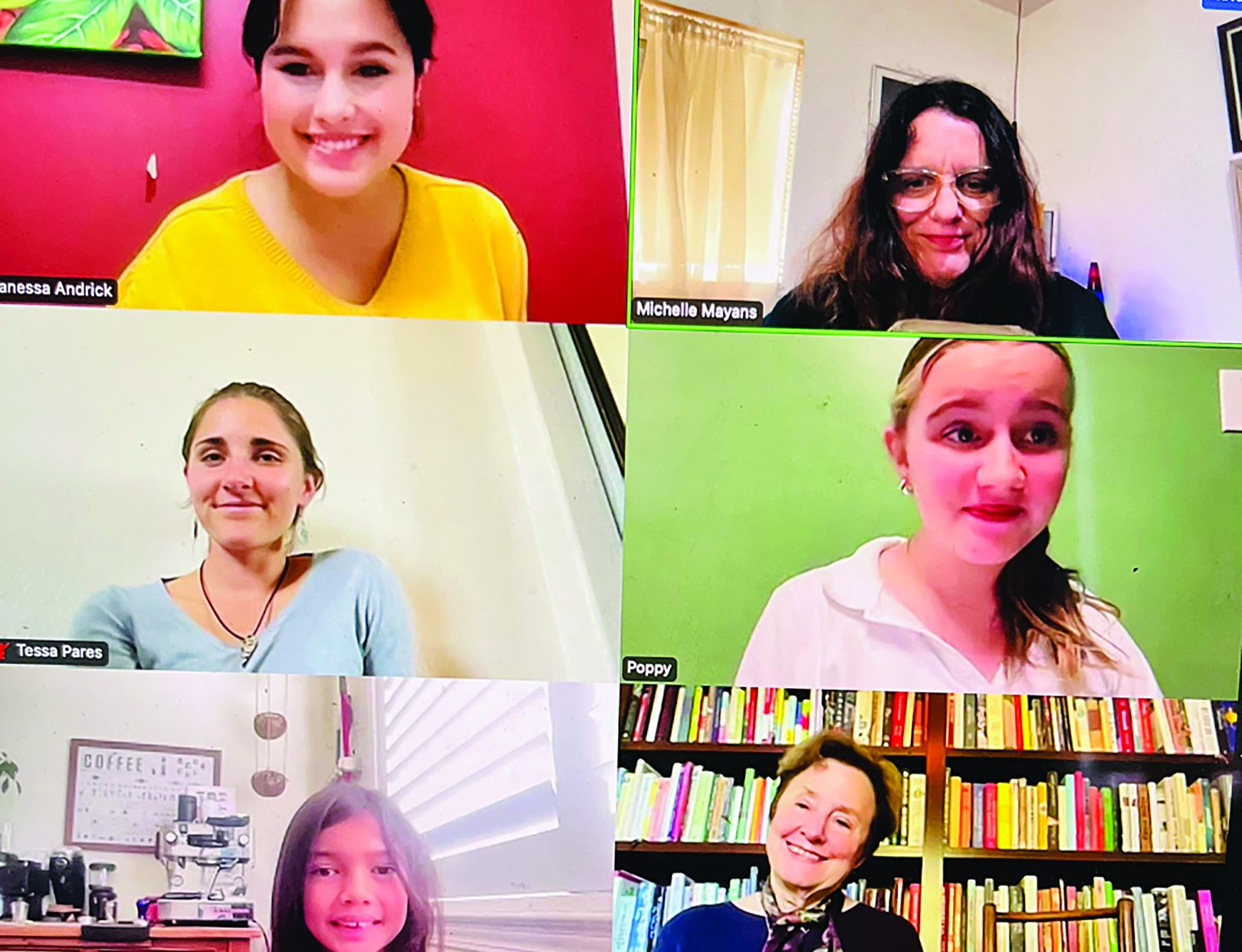
Recently, I had the opportunity to interview legendary Alice Waters over Zoom. Waters is not only one of America’s most famous chefs but also a pioneer of the “farm-to-table” movement – the idea that food should come fresh from local farms instead of being shipped from far away. She opened her restaurant, Chez Panisse, in Berkeley, California, over fifty years ago, and it changed the way people thought about eating.
I asked Waters if she ever imagined her restaurant and philosophy would have such a big impact on other chefs and schools. She paused thoughtfully before answering. “I think that it’s something that people can understand right away,” she said. “They know that students should have good food at schools.”
Her answer showed that her vision goes beyond fancy restaurants. For Waters, food is deeply connected to education and community. She told me that when she was a student, mealtime was special because it brought people together. “We always sat at a really long table,” she remembered. “That is important – that you eat together.”
That simple memory captures what Waters has been trying to teach for decades: that sharing food builds connection and respect. It’s also the idea behind her Edible Schoolyard Project, a program she started to help schools create gardens and teach students how to grow and cook healthy food. Waters believes that if young people learn where their food comes from, they will care more about the planet and each other.
Even though Waters is world-famous, she spoke warmly and humbly during our conversation. When I asked what her go-to comfort food is after a long day, she stated, “Rosé and some walnuts” She mentioned that the rose was made by her beloved deceased friend. Her answer was simple but touching. It reminded me that food can hold memories and feelings, not just flavors.
Throughout our interview, Alice’s passion for real, honest food shone through. She spoke about how eating local food supports farmers, protects the environment, and helps people eat more mindfully. Her belief that everyone deserves good, fresh meals – especially children – feels more important than ever.
Talking with Alice Waters made me realize that food can be a powerful tool for change. It’s not just about cooking or eating; it’s about kindness, community, and care. Whether at a long table with friends or in a school garden, Waters’s message is clear: good food has the power to bring people together and make the world a little better, one meal at a time.